

Stop spreading yourself thin to grow your SaaS
The TinySeed year-long accelerator program pairs funding with mentorship and community to help you go further, faster.
Applications will open again in February 2027: Join our email list
We’ll send you a heads-up when applications open, and share useful startup advice in the meantime.Funding is great. But how about funding with a side of support?
Our year-long remote accelerator program is designed to help founders with a revenue-generating SaaS optimize product-market fit and grow faster.
As a founder, you don’t have time to gather every. single. little. bit of information to make decisions — whether you’re tweaking your subscription model, handling customers, figuring out how to raise your prices, writing your website, or structuring your first enterprise deal.
Instead of trying to become an expert in every single area of business, tap the TinySeed community for guidance.
Along with funding, we help founders get the answers, best practices, and opinionated advice they need to quickly return to growing their startup.
More than Just Funding
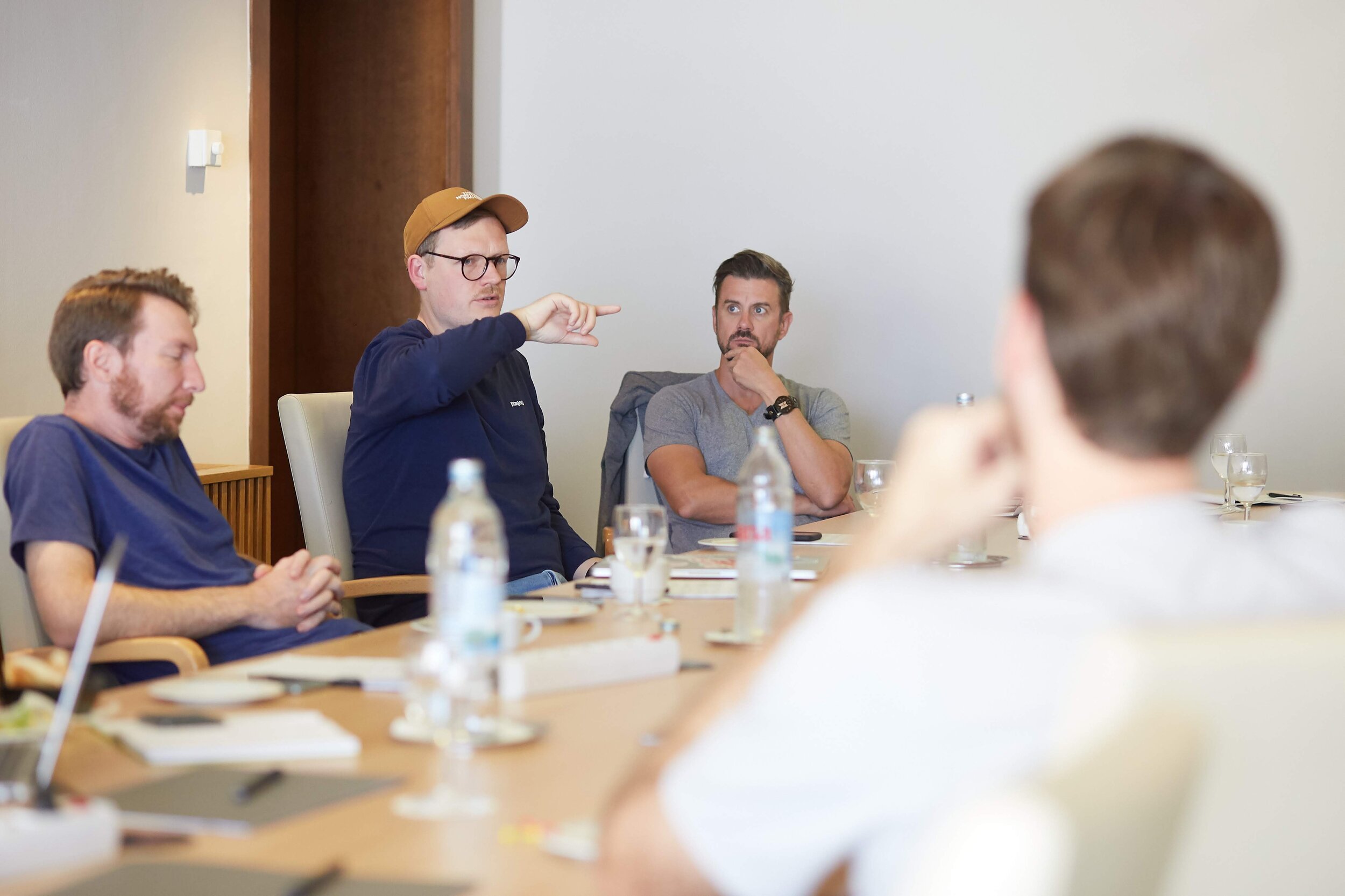
More than half the companies we fund tell us that they applied to TinySeed for the coaching, the mentorship, our extensive network, and the supportive community (AKA all the perks other accelerators wish they could offer).

High Impact Remote Program
TinySeed is for grownups. There’s no homework, no tests, and no demo day at the end of the program.
And everything is optional, so technically there’s no minimum time commitment. But it’s lonely out there, so many TinySeed founders talk to each other on the daily.

Connection to Community
Along with mentorship, peer support, and intimate mastermind groups, TinySeed founders get unique opportunities to connect with the larger SaaS community. It’s not just your business that grows with TinySeed — it’s your network.
If you want to scale your SaaS faster with funding, support, and community, you should apply to TinySeed.


“Joining TinySeed is one of the best decisions I’ve made for the future of the company. The community, mentors, and support we got during our year long program was invaluable to us, and the result now is we’re on a fast growth trajectory in a competitive market.”
Structured to sustain your progress
A full year of guidance to grow your SaaS
The program itself evolves during the course of the year. Here’s what you can expect:

We do our best to schedule no more than four hours of video calls each month. Generally, these consist of two educational calls (with the whole cohort) and two mastermind calls (with a smaller subset of companies).
Calls you’ll actually enjoy…


Group education calls to teach and inspire
The first three months are dedicated to The TinySeed Playbook. Founders watch useful presentations, learn best practices, and get one-on-one help provided by the TinySeed team.
We cover important SaaS topics including pricing, hiring, funnels, and lead generation. Why start here? Because when companies improve these areas right off the bat, their benefits compound over the rest of the year.
After we complete the Playbook, we start bringing in mentors for group mentorship sessions. We have the best mentor roster of any SaaS accelerator — from experienced startup founders like Jason Fried, Jordan Gal, and Laura Roeder, to subject-matter experts like Joanna Wiebe on copywriting, Samuel Hulick on onboarding, and April Dunford on positioning. Check out the full mentor list here (just be careful not to let your jaw hit your desk on the way down).


Masterminds for small group accountability and feedback
TinySeed founders are placed in smaller, dedicated groups (based on stage, industry, and/or sales process) for bi-weekly mastermind calls.
This smaller group format allows the founders enough time during the call to give meaningful updates and ask questions of their fellow founders, while keeping the calls at a manageable length.
Curious about results?

Check out the FlatPlan case study to see how one founder turned a side-project into a 7-figure B2B SaaS business with help from TinySeed. When Kieran Delaney joined our Fall 2022 accelerator, FlatPlan was already doing ~$300,000 in ARR. What TinySeed added was structure, coaching around SaaS metrics, and a community of peers and mentors. The result? Revenue multiplied, the team grew from two to 18 people, and FlatPlan now serves more than 300 media companies.
Here’s what happened for these TinySeed companies after they implemented our pricing feedback:


Steli Efti gave TinySeed founders a private session on sales at MicroConf Europe 2019.
Got questions? Ask a TinySeed mentor
Instead of Googling for answers or winging it, tap a TinySeed mentor for expert advice — both during and after your time in TinySeed.
All of our mentors volunteer their time, so we respect their busy schedules while also ensuring that our founders get the answers they need quickly.
How it works: Founders can reach out to our team anytime to ask for a mentor introduction. We immediately reach out to the mentor to make sure they’re available and have bandwidth to advise.
→ If the mentor is available, we will put the founder and mentor in contact with each other.
→ If the mentor is not available, will redirect the request to another mentor who can advise on the same topic.
In addition to our primary mentor list, founders have access to TinySeed’s investors, most of whom are entrepreneurs themselves.
Through TinySeed, founders can access more than 100 prominent voices in SaaS for advice. There’s no better way to level up.
Connect with fellow founders in person at meetups & MicroConfs
While TinySeed’s remote programming is highly effective, there’s just something special about being in-person with your fellow founders. Join your batch and the TinySeed team for an in-person kick-off event at the start of the accelerator, and keep yourself energized throughout the year with multiple meetups all over the world.
Our accelerator kick-off events are split between work and fun. Think spirited discussions of lead-gen tactics over Eggs Benedict at brunch, followed by afternoon boat rentals and private tasting dinners.
Meetups often overlap with MicroConf events in the U.S. and Europe. So not only can you catch up with your TinySeed batch, you get to grow your network and meet even more founders.
So far, TinySeed has:
Rented a vacation house in Key West, Florida
Taken over a retreat center in Minneapolis, Minnesota
Hosted multiple private founder dinners in Austin, Texas
Hung out by the sea in Dubrovnik, Croatia before MicroConf Europe
There’s plenty of shop talk at our get-togethers. And there’s also conversation about why we’re all doing this in the first place: to build something truly useful and valuable, while creating the life we want for ourselves and our families.

Funding so you can focus
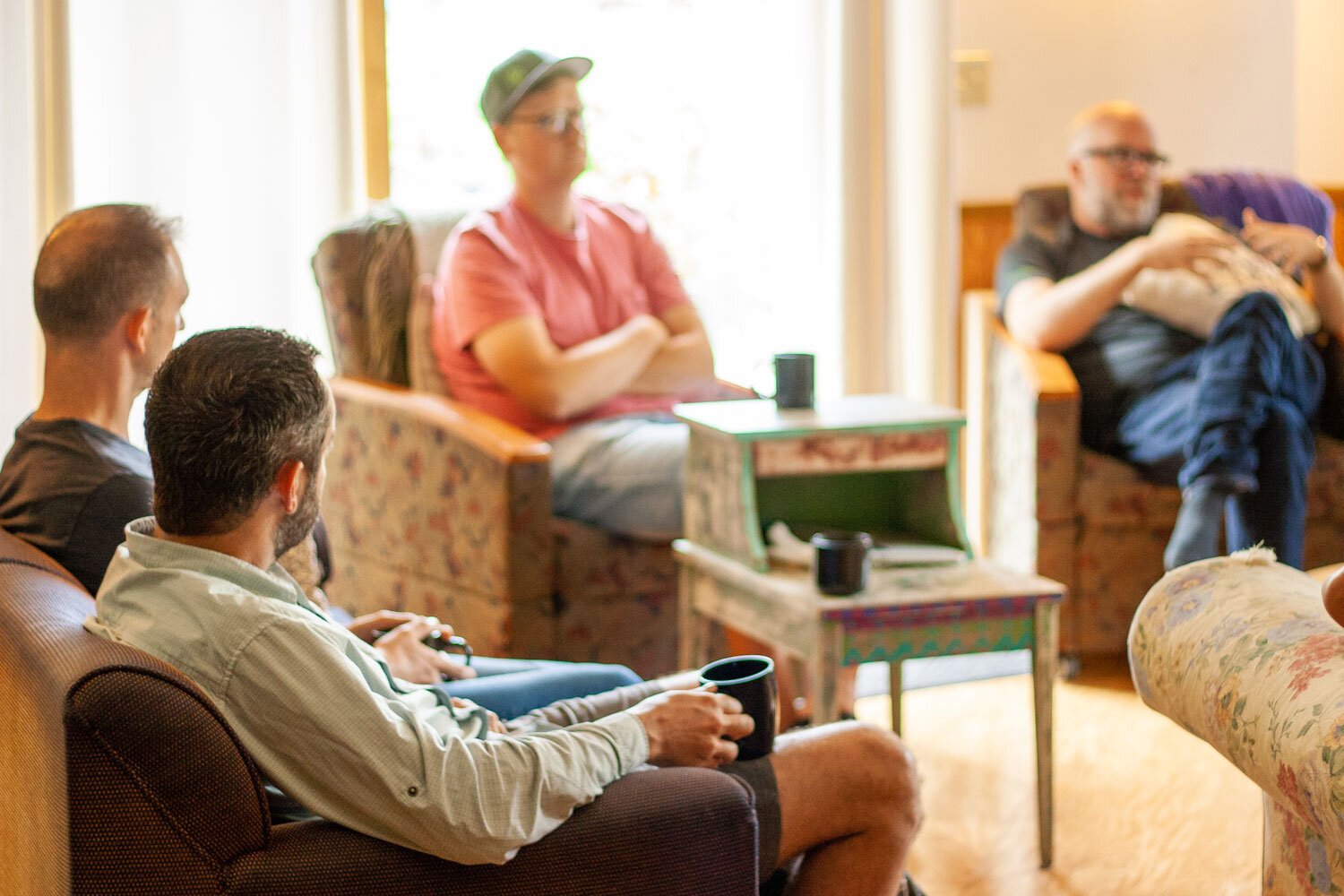
Starting and growing a company can be a daunting, stressful, and profoundly lonely experience. TinySeed’s year-long program helps you through these pains with practical advice, emotional support, and specific answers to your particular problems.
Our funding allows founders to go full-time on their business, hire employees, or launch paid growth initiatives that were previously unavailable to them.
Finally, our tight-knit community provides benefits beyond the accelerator year. The friendship and networking connections you make in our program will pay dividends for your entire career.
Frequently Asked Questions
-
TinySeed is a 1-year, remote accelerator that funds 15-20 SaaS companies at once. Those companies go through our accelerator program as a batch.
Our terms are based on those Rand Fishkin used to raise funding for his company SparkToro:
- TinySeed invests $120k-$220k per company for 10-12% equity.
- Founders can take funds out as salary, or invest them into marketing, design, contractors, and anything else to grow.
- Founder's compensation has a participation threshold at $250,000 / year.
- As the business generates profit, the founder can choose to increase his/her salary and compensation up to the threshold. Any additional funds they take out of the business are considered dividends.
- This allows the founder to reinvest profit in the company as long as they like. In this scenario, TinySeed does not take revenue or profit from your company, only dividends that you decide to pull out at timing that works for the business.
- Dividends are split pro-rata based on percentage ownership.
- If the company sells, TinySeed receives the greater of our initial investment back (minus any dividends paid to date), or our pro-rata share of the proceeds based on ownership.
- If you decide to raise additional venture capital, our equity converts to the same class of stock as your new investors, and we retain a right to participate in your future financing round at whatever valuation that happens at.
In addition, we provide extensive mentorship and guidance through mastermind calls with other startups in your cohort, and office hour calls with mentors.
Our roster of mentors is diverse and second-to-none - look here for a full list.
-
Our terms are modeled after those that Rand Fishkin founder of Moz used to raise funding for his most recent startup, SparkToro.
TinySeed co-founder Rob Walling is an angel investor in SparkToro, so had first-hand access to the terms, but Rand also published them online.
If a founder of Rand’s caliber (who was disgruntled with venture capital) came up with these terms for his own startup, they should, by definition, be founder-friendly.
In addition:
- Our structure enables founders and investors to share in the winnings of a profitable business, increasing the odds of survival, and removing much of the risks of VC's "homerun or nothing" mentality.
- Maintaining flexibility on when you re-invest in your business vs. pay out dividends keeps control of the business in the hands of founders, where we believe it belongs.
- TinySeed's terms mean you won't face the same pressures to sell your business if growth slows -- it is always up to you when and whether to pursue higher growth vs. stronger profits.
- This model, unlike most venture-focused accelerators, allows companies to deliver investment returns even if they stay relatively small by venture capital standards.
-
Our goal was to find a model that provides capital to founders that VCs won’t typically back, but do it in a way that gives those founders maximum optionality to raise future rounds if they decide to, and doesn't draw money out of their company at the wrong time.
After investing an enormous amount of time working through options, we decided that TinySeed should take an equity stake in the businesses we back, but we will not ask for a fixed profit or revenue share that begins at a specific time.
This is risky for us, but we believe it’s the right decision for founders because it allows them to take money out of their company (as dividends), only when they decide to do so. Profit sharing models force you to take money out of your company on a fixed schedule (example: 24 months after receiving the funding). Starting on a pre-specified date you are required to begin paying x% of your monthly revenue or y% of your profit to the investor.
If these payouts start at a bad time for the company (example: when the company is still growing quickly and needs the cash) they have real potential to dampen growth or put the company's well-being in danger. This is the main reason we’ve decided to leave the timing up to the founder.
In addition:
- We only want to get paid when the founder is also getting paid (hopefully handsomely).
- We want to be in the founder's corner for the long-term, rather than making an investment that feels more like a loan.
Our approach aligns investors and founders, is clear and straightforward, and allows us to be in your corner for the long term.
-
Our program fee is $7,450 per founder. This is only if you’re accepted into TinySeed, and will come out of your investment funds.
But don’t worry! We’ll also be raising your investment amount to completely cover this, depending on how many founders you have. So for example, if your original funding offer is $150,000, and you have 2 founders- we’ll increase your offer to $159,900.The program fee allows us to give you an incredible experience and covers all of the in-person events expenses aside from transportation. This includes:
— An exclusive 2.5 day batch kick-off retreat at the beginning of the year, with meals and unique experiences.
— A ticket to one of the flagship MicroConf conferences later in the year.
— Hotel rooms at both events
-
We focus on SaaS companies that have the potential to become 7- or 8-figure businesses.
We accept applications from any stage, but we've found that a couple thousand dollars in monthly revenue is a sign that a founding team has been able to push their business forward. Traction is one of many factors we use when evaluating startups.
We don't have a top-end limit for revenue, and we have funded and helped accelerate the growth for startups doing upwards of seven-figures in annual recurring revenue.
If you're not sure if you qualify for TinySeed, send an application anyways; it's fairly short and it makes it possible for us to have a discussion with you at the interview stage.
For more insights on what we look for in companies, check out this blog post we wrote: Who Are The Best-Fit Startups for the TinySeed SaaS Accelerator?
-
Currently we only invest in US C-Corps (preferably Delaware).
If you're another type of US incorporation, incorporated in another country, or not incorporated yet - that's not a problem, you can still apply!
We just need to know that you'd be willing to reincorporate if you receive an offer. -
Yes! We fund companies from almost any country as long as you're incorporated (or willing to reincorporate later) as a US Delaware C-Corp.
Our program is global and we have funded companies in the UK, India, Canada, Australia, New Zealand, and across many countries in Europe, South America, and the Middle East regions.
We hold all of our batch calls at 11am Eastern US/4pm UK time. We've found this time works best for the most number of time zones, especially founders in North & South America, Europe, Middle East, and Africa.
If you're outside of these areas, we just ask that you make sure you're comfortable with attending calls at this time. While attending calls live is always recommended when possible, we also record our calls to playback later. This allows founders in further time zones, such as Australia and New Zealand, to still participate. -
TinySeed is a remote accelerator focused on SaaS, and companies are mentored for a full year. Most other programs – think YC, TechStars – run for three months and founders have to relocate to a specific location. But there are thousands (if not tens of thousands) of bootstrappers who aren't able to relocate due to family or other personal obligations.
In addition, accelerators focus on demo day – the day at the end of the program where the companies pitch their progress in an attempt to raise a seed or Series A. Since bootstrappers tend to be capital efficient, a founding team can live off that same low six-figure investment for an entire year if they can participate remotely, without the necessity (but the option) of raising more capital at the end of the 12 months.
Another difference is that companies don’t need to sell for TinySeed to work. We’ve designed the model to work with dividend payouts so founders can retain ownership of their company for the long-term.
This also means they can grow at a healthier pace and don’t need to force growth to raise their next funding round. We like to think of this as building a sane startup. That is, a startup that values people over results, has reasonable working hours, provides ample days away from the office, and generally doesn’t burn out the people involved.
Finally, we don't have a bias against single founders like most accelerators. The majority of successful $1m-$30m SaaS companies we know were started by founders working alone. This is another segment of the ecosystem that we’ll be focusing on.
-
We've partnered with a number of other businesses to provide discounts to TinySeed founders. We've listed a few of those partnerships here.
-
Yes! Although the majority of the year is remote, we believe that meeting other founders in person is also extremely important. The relationships you build with the other founders in your batch will be an asset that will serve you for many years to come.
That’s why you’ll attend two in-person events during the program year.
1) Kick off retreat: At the start of the year you’ll spend 2.5 days of masterminding, social activities, and meals together with the other founders in your batch. This retreat is one of the highlights of the year for most founders.
2) MicroConf: Later in your program year, your batch will regather to attend a MicroConf event in your region. During this event, you’ll meet TinySeed founders from other batches, as well as attend talks and sessions on important SaaS topics.
We ask all founders to plan on coming to both of these events. Your ticket fees and hotel costs will be covered by your program fee, you just need to get yourself there.
-
We hold all of our batch calls at 11am Eastern US/4pm UK time. We've found this time works best for the most number of time zones, especially founders in North & South America, Europe, Middle East, and Africa.
If you're outside of these areas, we suggest you make sure you're comfortable with attending calls at this time.
While attending calls live is always recommended when possible, we also record our calls to playback later. This allows founders in further time zones, such as Australia and New Zealand, to still participate.
For mastermind calls, the time is flexible and decided by your individual group. -
Shhh, we have a little secret. Although the official program is a year long, you'll still have access to ALL of the TinySeed resources after the year is done. We recognize that all of your problems won't be solved in a year, they'll just evolve. That's why we make sure we continue to support our alumni as long as they're a portfolio company.
The main thing that changes is that we move from the structured scheduling of the program year to more of a "choose your own adventure" mode where you can take advantage of resources as needed.
So what does this mean?
-You can still request 1:1 mentor calls
- You can join the group mentor calls being held for future batches
- You're invited to future founder events and meetups
- You still have access to the TinySeed Slack to get advice from fellow founders
- And hopefully as you continue to grow you also share your own insights as an alumni with future incoming founders. -
Short answer: yes.
Longer answer: when growing a startup you don’t need mentorship every day, but when you need it, it’s game changing to have access to successful founders who have been down the road you’re traveling.
There are no silver bullets in startups, but often a word of advice can keep you from making a bad hire, wasting time on a marketing approach, or save weeks of time exploring a dead-end pricing change.
That’s why we’ve gathered many of the world's best founders and subject-matter experts who provide guidance on topics ranging from copywriting to SEO, top of funnel marketing to CRO…and pretty much everything else you’ll face on the journey.
To date we have 27 successful mentors on board, including: Hiten Shah, Joanna Wiebe, Jason Fried, DHH, Laura Roeder, Steli Efti, Chris Savage, and Rob Walling.
In addition, you'll have access to our incredible personal network of entrepreneurs, many of our mentors' networks, TinySeed alumni companies, and of the other companies in your batch.
There’s another aspect to becoming a TinySeed company. The halo effect of the curiosity generated by the thousands of founders following the TinySeed story, having your company discussed or interviewed on podcasts, talked about from conference stages, and other serendipity that happens when you’re plucked from many hundreds of applicants.
There’s a definite stamp of approval from becoming a TinySeed company.
-
Connections to the right people at the right time can make the difference between success and failure. We have structured, remote office hours scheduled with a different mentor every other week, based upon founders’ most pressing needs.
As needed, we set up introductions and one-on-ones with specific mentors, connecting founders with the mentor who will help them the most with their specific challenges.
There will also be opportunities to meet our mentors in person at retreats and events scheduled throughout the year.
-
From the beginning, we knew we wanted to fund in “batches.” That is, groups of 10-20 companies going through the program together.
Einar went through YC in 2009 and witnessed the benefits first-hand.
Rob has been a vocal proponent of mastermind groups for close to a decade, where you share your journey with other founders who are also slogging it out in the trenches.
Add to that the friendly competition it can spark, the lifelong relationships, and we believe it’s a superior approach to funding companies asynchronously. The founders we’ve spoken with agree, and are excited about the possibility of being part of a group of 10 or so companies all working towards similar goals.
-
Our application process happens over three stages.
First, you'll submit an initial application that covers your company's key metrics, plans, and essential information.
Based on these, we invite companies who we think might be a good fit to complete an asynchronous interview, where we'll ask some followup questions.
Finally, some companies will continue on to a 20-minute live interview with our entire team, where we fill in the holes on any remaining questions we have. We generally aim to complete this process and send out final decisions at least one month before the program begins.
-
No, we don't require a pitch deck or demo video. Our application process focuses on understanding your product as it exists today, rather than future plans or polished presentations. We've designed our application questions to give us a clear picture of your current stage of development.
Apply when the next batch opens
Plus, get useful startup advice & SaaS event invitations